
Autism and Me
What Am I Doing Here?

A new installment of Journey of a New Christian. First-time reader? This introduction provides an overview. If you missed earlier installments, you can find them in this index to the series.
On a frosty morning in early February, I found myself in the basement of an old school building at the edge of our university campus, craning my neck for a clearer view of the vast network of dusty, corroded ductwork that connects heating and cooling systems to three floors of classrooms, offices, and meeting rooms.
When I applied for the position of academic dean, I never expected to have anything to do with an HVAC system. In fact I never expected to have anything to do with this building at all. No university students attend classes here, and there are no faculty offices. When I interviewed for the dean position, I was quite surprised to learn that I would oversee an autism center with 30 staff members who educate 60 autistic children here daily. “What am I doing here?” would have been an excellent question to ask then, when there was still time to back out of the job. And it’s a pretty fair question to ask now, because “oversight,” for academic deans, typically doesn’t include creeping around in the bowels of the building maintenance area and inspecting equipment we know nothing about.
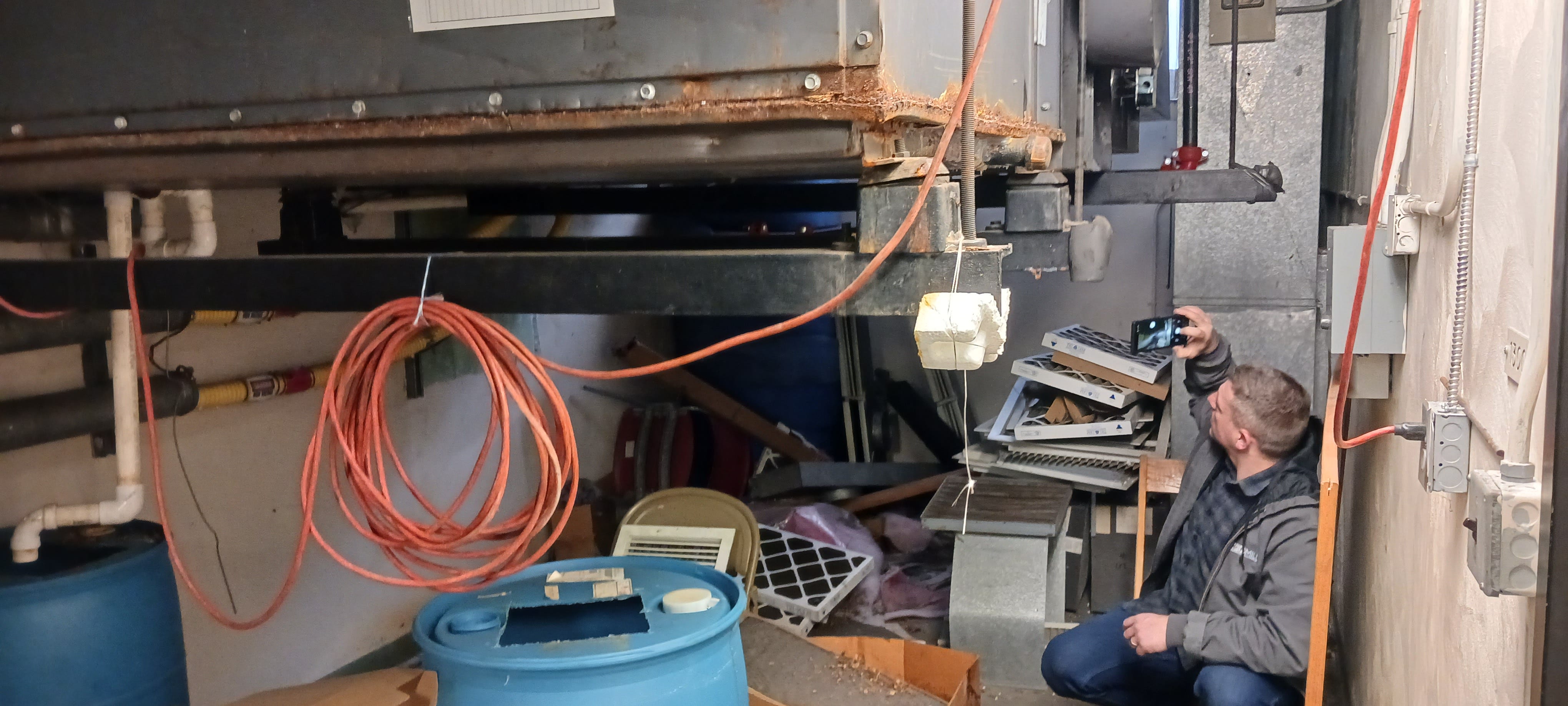
“What am I doing here?” shouldn’t be a hard question for Christians. Unless something awful has happened, the short answer is pretty much always that God led me to wherever I find myself now. But the “why” and the “how” aren’t always so obvious. That February morning, they certainly weren’t. Why was I involved at all with autism at this point in my career, since I knew so little about it? And how could God’s plan have led me somewhere as bizarre as that furnace room?
When I thought about the path that led me to where I am now, my mind traveled back to the spring of 1968, when my mother asked what I was planning to do for the summer. I was 19, a freshman in college, and I hadn’t the slightest idea. She mentioned a friend had told her about a summer day camp for disturbed children, which was hiring counselors. Would I be interested? I was—very much so. This was the Vietnam War era. My classmates and I, facing the draft, were beginning to be swept up in a contagion of fear and anger. Working with emotionally disturbed children offered a way to confront the turbulence I was starting to feel in my own life.
That summer, it turned out, was my first and most intimate exposure to autism. There were about 20 counselors and 40 children. Each of us had 2 in the morning, then switched and took 2 different campers in the afternoon. I still remember the names of the 4 boys assigned to me. We counselors convened every morning in an old frame building atop a steep, grassy hill, three miles from my house, about 20 minutes by bike, including the walk up the long hill. After that morning meeting, we spent almost the entire day outdoors with our children.

Very little was known about autism in those days. All 4 of my campers were labeled disturbed, even though I know now they were autistic—inhibited from communication by neurological factors rather than emotional turmoil. Two were nonverbal. Another recited lines from TV commercials over and over again. These 3 made only fleeting eye contact. They rarely showed emotion in facial expressions. When I spoke, it was hard to discern whether they’d even heard me. A fourth boy made eye contact, showed some facial expression, but never spoke above a whisper.
Sometime during that summer, I heard the word autism for the first time, and realized that what I was dealing with wasn’t emotional turmoil, but something quite different. In the late 1960’s, there was an explosion of interest in autism. The Autism Society of America, then known as the National Society for Autistic Children, had been founded in 1965, just 3 years before. In 1967, Bruno Bettelheim had published The Empty Fortress, which attributed autism to emotional disturbance caused by the failure of a mother to establish a secure bond with her child. It was a controversial theory even back then, but Bettelheim was a major figure in psychotherapy and his work had wide currency. I remember watching mothers pulling up to the camp entrance at the end of the day, trying in vain to detect anything amiss as they greeted their children and helped them into the car. All I could see in their faces was sadness and solicitude.
It is a very strange experience spending all day long with someone who gives s little back. My boys were never defiant, but they hardly ever engaged with me either. We would go for walks, sit on the grass, climb on rocks, kick or throw balls of various kinds, but they showed no signs of either pleasure or resistance.
In time I got used to their lack of response. Little by little, I was drawn into their listless rhythm. What I never did get used to, though, was rainy days when we gathered in a big room in the disused polio sanitarium, once the domain of children in wheelchairs. There we would sit cross-legged, as the director led in songs which for some reason seemed familiar to everyone except me. For “Itsy Bitsy Spider,” we would wrap our arms around one of the children, reenacting the spider’s desperate climb with our fingers. The irony of singing “You Are My Sunshine” to so many children imprisoned in their own consciousness was heartbreaking. There was no way I could have known then that decades later, rates of autism would explode, and that what was once a tragedy affecting a few families would sweep like a scourge through families all across America.
I’m normally a reserved person, not quick to make friends, but that summer I leaned heavily on my fellow counselors, especially those with whom I traded children at lunch time. At the end of the day, after our children decamped, we would migrate to a grassy spot overlooking the camp and share what we’d been through until all the campers were gone and the director dismissed us. Good days and bad days, we encouraged one another, celebrating our small successes—a fleeting smile, a moment of eye contact, a barely detectable shrug of the shoulders in answer to a question—and commiserating when there was nothing to celebrate.
The following school year, as the Vietnam War heated up, my life took a turn. For five years I was embroiled in radical activism. In my utopian quest I forgot all about autism. For the next 44 years I had little occasion to revisit what I’d learned at the summer camp until in 2012, at age 63, I was hired as dean of education at a regional state university.
Overseeing a center for children with autism was a small part of this new job. The director of the center reported to me, which meant that I signed off on her vacation leave, prepared her annual evaluation, and met with her once a quarter to go over the center’s finances. In the beginning I doubt I could have done more than that. Having had little to do with autism since age 19, I knew next to nothing about the neurological basis of autism, about the behavior training that could help some young children on the spectrum lead normal lives, about state funding to schools to provide therapy, or about school-to-work transition programs that help young adults with autism enter the workforce.
My responsibilities to the center, however, expanded with time. Less than a year passed before the founding director, an 18-year center veteran, announced her retirement. It should have been easy to appoint an interim director and then search for a permanent replacement, but it turned out not to be. During that transitional year, I learned more than I ever expected to know about the center’s staff, budget, sources of revenue, admission procedure, and seemingly everything else under the sun.
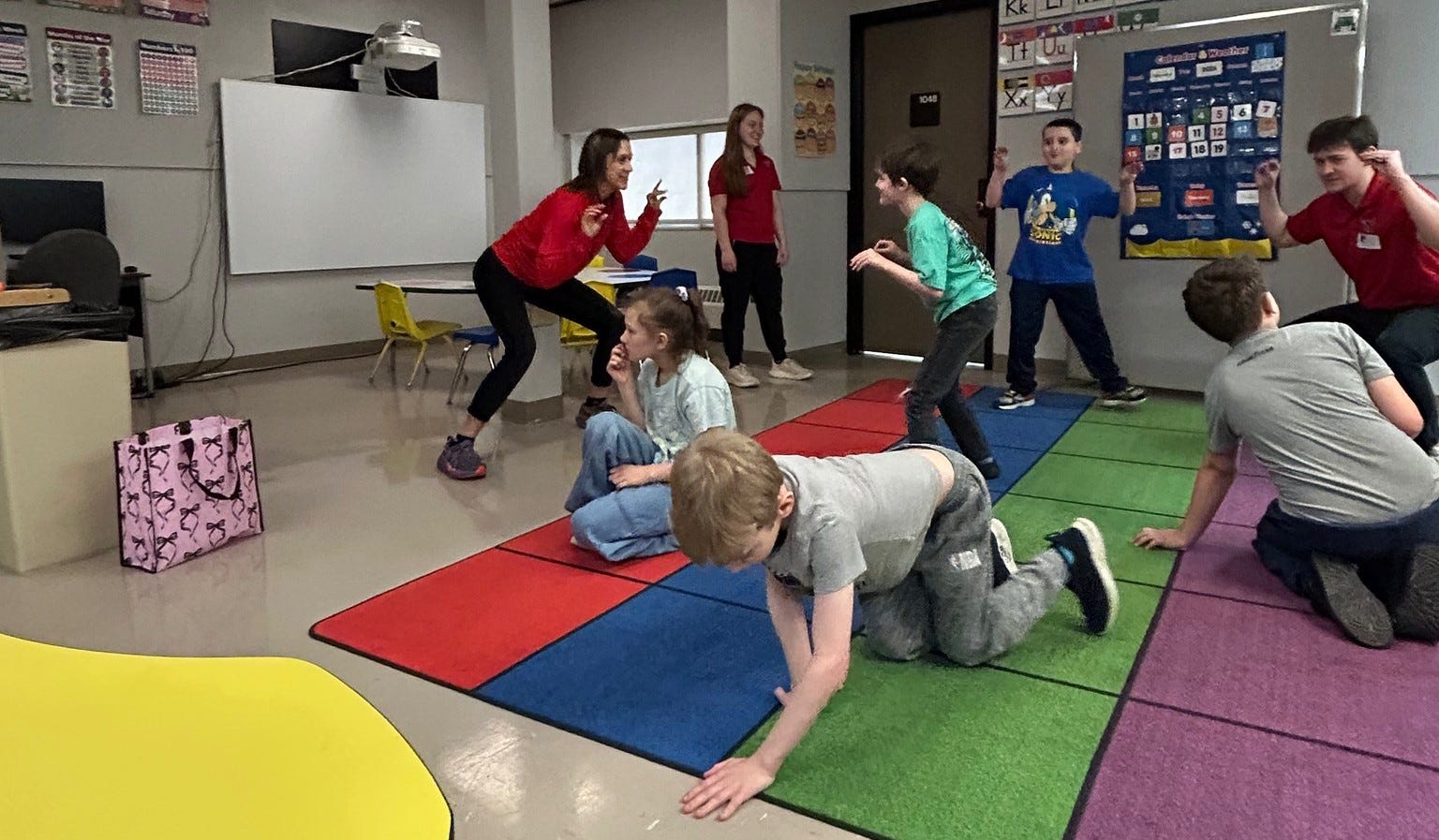
My summer camp experience in the late 1960’s may not have taught me everything I needed to know about autism, but it helped me learn more quickly. I knew how intense work with these children could be and the enormous patience it required of staff. I could empathize with staff concerns about low pay, costly benefits, and the difficulty of taking time off. I quickly realized that the key to success was hiring and retaining staff, using them efficiently, paying them more, and improving their working environment.
Over the past 13 years, I’ve been wrestling with these challenges. Directors have come on gone (I’m now on my third new hire), but we’re still working toward the same goals. Keeping operating expenses low and shedding administrative roles has enabled us to raise staff salaries. Directors have lobbied state legislators to increase grants that provide autism services. Working with the university HR office, we’ve created a career ladder for full-time teachers. We’ve tapped into the university student population to attract short-term part-time employees to expand staff capacity. We’ve become more selective in whom we admit, eliminating some of the worst behavior problems through careful screening.
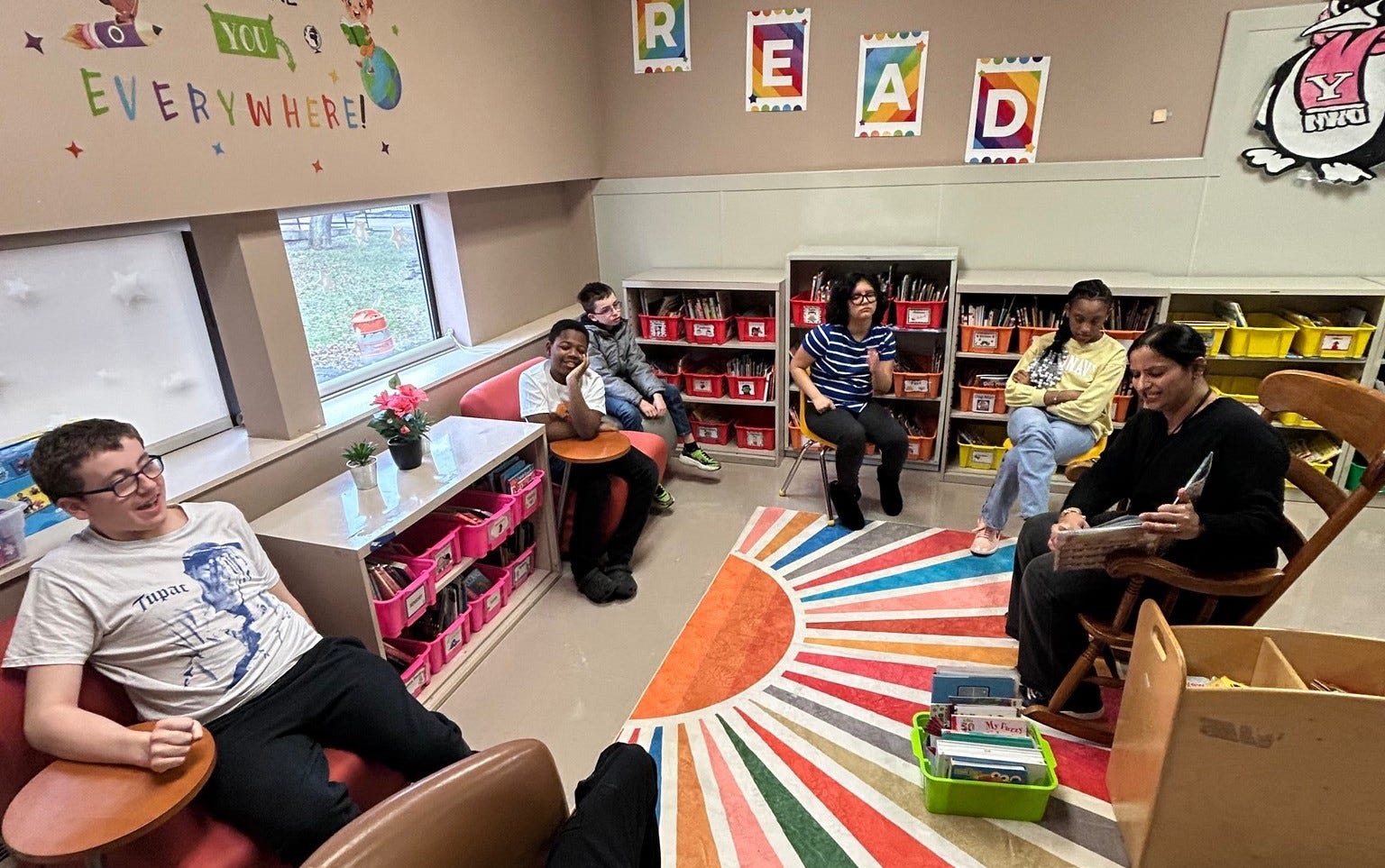
My role in all this has been been modest. Within the limits of my other responsibilities, I try to to hire the right people in leadership, support their initiative, help them navigate university bureaucracy, and keep the focus on the primary goals of increased salaries, fiscal stability, and creative recruitment.
Doing all this didn’t take any unusual insight, but it did take persistence. Anyone in my position would have understood the challenges and known how to address them, but some might not have put the time into it that I did, especially in the face of all the other demands of the dean’s role. That long-ago summer camp job, indelibly engraved in memory, demands attention and keeps bringing me back to the center’s problems. How could I forget the round, anxious face of that little boy reciting lines from a TV commercial or the worried look of mothers pulling their cars up at the end of the day? God engineered that experience in my late teens to ensure that I’d never give less than my full attention to this awkward footnote to my job as dean.
The longer I watched over the center, the more engrossed I became in its challenges. Peering into the furnace room on a cold morning in mid-February might have been a step too far, but I couldn’t resist.
We were nearing the end of a two-year project to renovate the old school building where the center is housed. For most of this undertaking, I hadn’t been much involved. Two directors, one succeeding the other, had so far handled it admirably. Through a combination of grants, state infrastructure allocation, and a two-year-long fundraising campaign, $6 million has been raised. All of the hallways and classrooms have been upgraded, asbestos removed, and a sprinkler system, a new roof, and a handicapped-accessible elevator installed.
The biggest remaining challenge was to replace the antiquated HVAC system, which is in constant danger of failure and leaves some rooms too hot in the winter and others too cold in the summer. We’d spent over a year with the university facilities offices and a private architectural firm laying the groundwork for the changes that needed to be made. Everyone involved had countless competing responsibilities. The director and I had to keep pressing ahead to make sure we could bill for the state share of the project before the funding allocated to us expired.
When the bidders’ conference was announced, I cleared my schedule so I could attend, not because I had anything to contribute, but to assure myself there would be no further delays. I arrived to find the small conference room packed with contractors. A university official handed out packets of specifications and went over the list of items that bids should include. After all the contractors’ questions had been answered, the director led a tour of the mechanical rooms.
At this point I could have left and gone back to my office. There was plenty of work waiting for me there. Curiosity, however, got the better of me, so I tagged along. It was on of those “what am I doing here?” moments, and I didn’t have a clear answer. I suppose if asked I might have said I ought to have some idea what we’d be getting for the more than $1 million we expected to allocate to the project. I’m not sure, however, what I expected to accomplish watching the contractors set to work with their clipboards and flashlights and measuring tapes, making notes about the huge pieces of rusty equipment I had no idea of the names of.
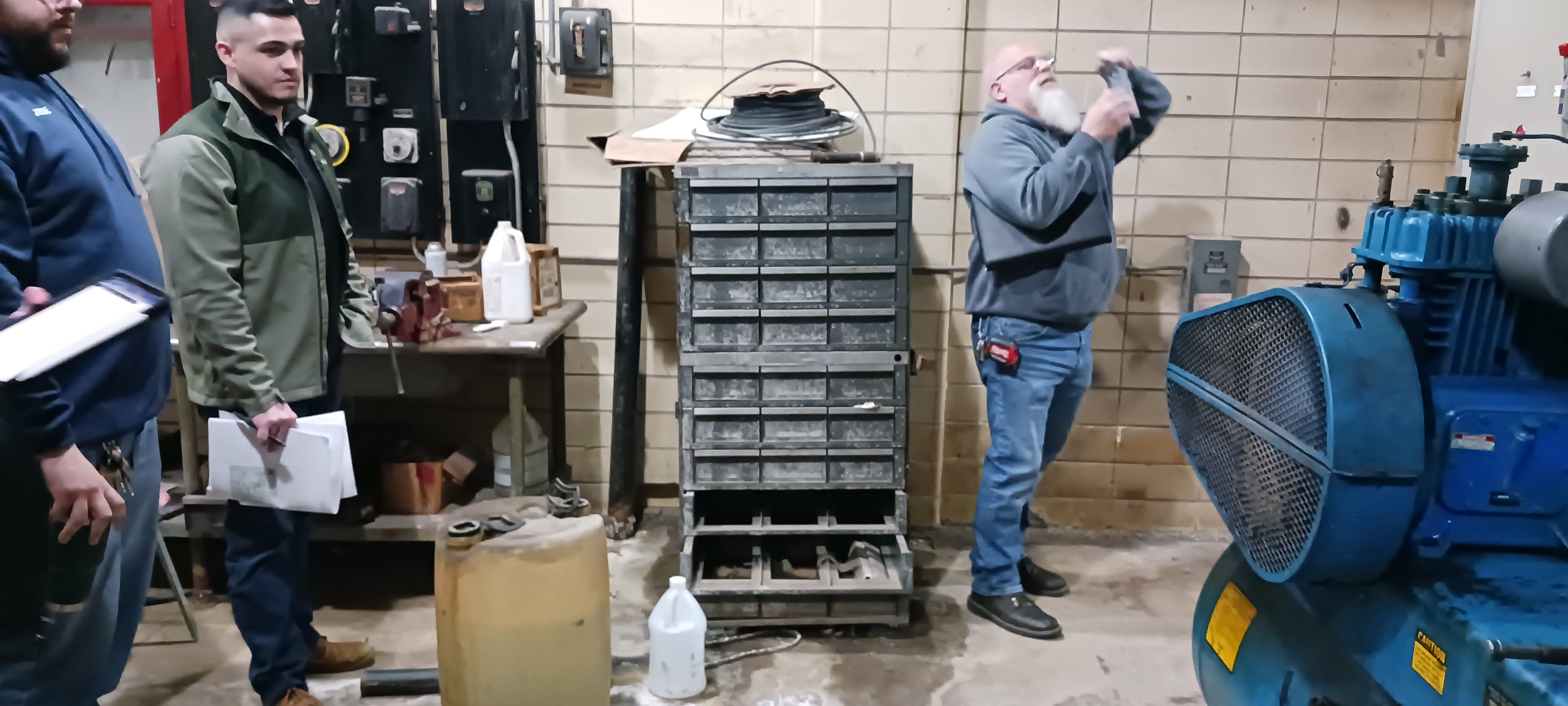
When the bids came in two weeks later and the head of facilities sent us a summary, I cast my eyes quickly over the list of figures to see what the bottom line was. The funds we’d tentatively allocated would cover all but one of the items on our wish list. The one remaining item, a new digital control system, would nearly double our anticipated budget, putting the total over $2 million. Digital controls would allow us to adjust the temperature in different regions of the building independently—a convenience, yes, but not a necessity.
I assumed at first we would be sticking with our original budget. Through my entire career, I’ve been a fiscal conservative. I was aware of no pressing need to replace the control system. Nobody had warned that the old one might fail.
But then I thought about what I’d heard about children sweating, classroom windows open in the middle of winter, teachers shivering in the lunchroom in the high heat of August. Without updated controls, how much would all these renovations improve things for them? The original budget would avoid costly repairs in the future, but would it make the children we serve more comfortable? Would it make long days any easier for our staff? From my camp experience, now a half-century in the past, I remembered those long days as clearly as if one of them had been yesterday.
I called the director. He, too, was thinking about that new control system. He knew all too well how teachers and children swelter in certain classrooms when the furnace works overtime on very cold days. He agreed with me that our goal should not just be avoiding future expenses. If there was a way to make children more comfortable, we should do it. For two years we’d been whittling down expenses to increase cash reserves. He thought he could find the extra money we needed. All he needed to start that search was my approval.
As Christians, we know that God has planned good things for us. In his grand scheme, our lives mean something, even though it may not be what we expect or hope for. Sometimes we find ourselves asking, “What am I doing here?”
As we grow older and look back over the arc of our lives, we are often able to answer this question. We see how events we thought were just luck at the time actually looked forward to challenges and opportunities that lay ahead, sometimes far in the future. Paul writes, “For we are his workmanship, created in Christ Jesus for good works, which God prepared beforehand, that we should walk in them” (Ephesians 2:10). At the time, we may not be aware of what He is preparing us for. Discovering what that is can be stunning, shocking, or wonderful.
The camp job was like that. What I believed at the time what autism was and how it would connect to my life as utterly wrong. He sent me to that camp not to help me to resolve the psychological conflict I felt then in my own life, but to prepare me for the work I do now in service to others.
As always, likes are appreciated; they helped to make this post visible to more readers.